

| Title | Date Watched | Poster | Notes |
|---|---|---|---|
| Little Shop of Horrors - 40th Anniversary | 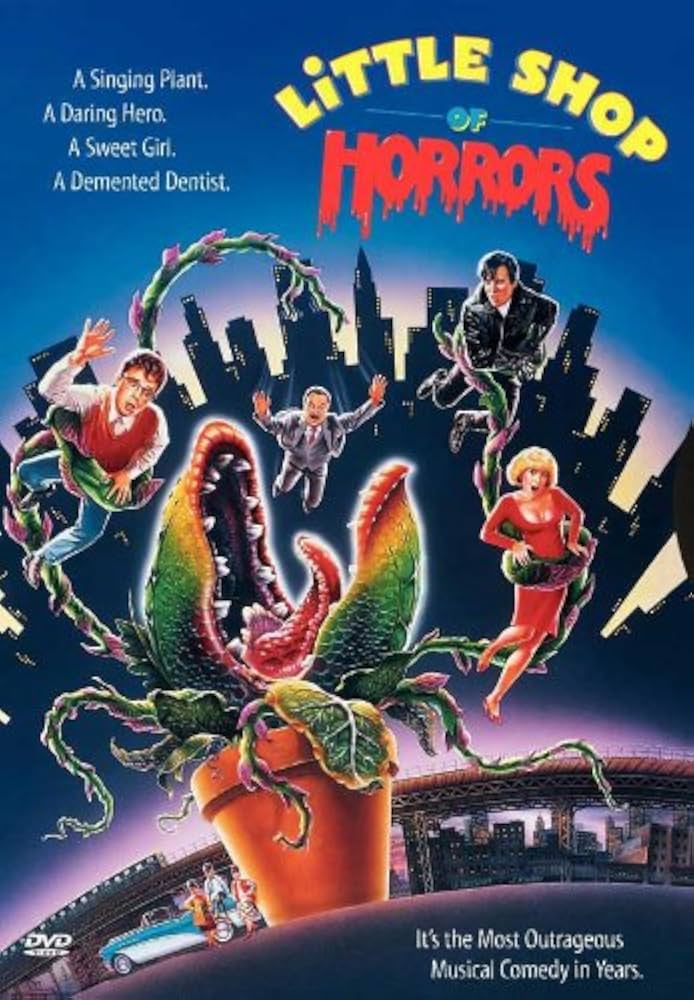 | For the 40th anniversary, Little Shop got the 4K restoration treatment, and if you were in LA, you got to see it followed by a Q&A with Frank Oz. The movie stands out as a singualr acheivement. The cameos alone are golden, with some of the most talented names of that generation. Seeing it as an adult, in 2026, I realize how much subtext just flew over my youthful head when I first saw it. This movie has almost no special effects and certainly no CGI. 20+ puppeters brought tons of latex and foam rubber to life. While it is a musical, it feels like a closterphobic and gritty surreal nightmare. While terrible things are happening, you find yourself laughing. The movie reached past all formula and convention to create something different and challanging; that also acheived mass popularity and adoration. In a world where everything is being made simpler to be easily digested and commoditized, where dialog is dumbed down for audiences expected to be half paying attention while also on their phones, where everything has to be francised – this movie trusted in the intelligence of the audience. That is not to say it isn't a commercial product. They changed the ending because it didn't test well with audiences; but it was pop, commercial art that was also smart, subversive, and stands the test of time. | |
| The Choral | 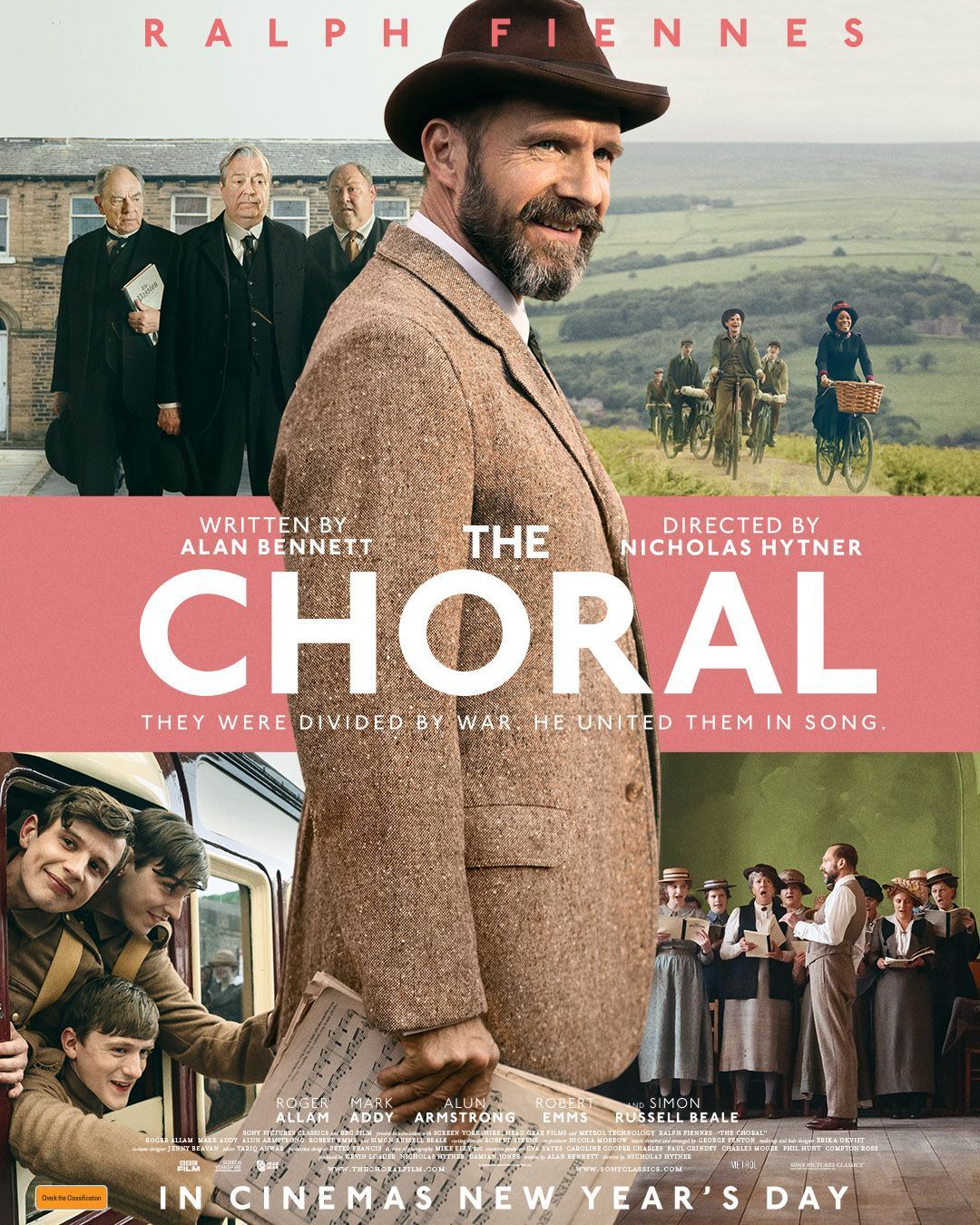 | Was there a plot? What was the point? The movie is an idealic and nostalgic treatment of a supposed time of innocence and naivity. WWI was just starting and no one knoew how bad it would get or that it would have a sequel. The characters in this small town connect across different social strata over putting on a choral. It is a clumsy vehical to show the various social seperations that existed in 1916 that wouldn't make sense today; and then have a reason to bridge them. The movie never takes you anywhere. No one grows. No one changes. The tensions are brief and inconsequential to the plot or characters. It is more of a day in the life of a small town still innocent to the future that is to come. Historically, that innocence would have already been shattered by the Crimean and Boar wars; so this in itself is an act of revisionism. | |
| The Odyssey | 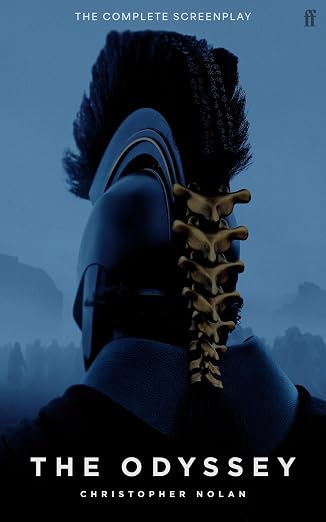 | Double feature day. I am not a Nolan fan. He bombards the viewer with spectical and dark colors. He drowns stories in visual scale. So maybe my low expectations helped, but i was suprised. A movie that is ripe for spectacle avoided the giant battles, the giant monsters, the insane scale. It was human, close, intimate. It told a very big story but kept us coming back to the people, grounding us in misery, desperation, longing, hope. It was gorgeous, each shot worthy of being a poster. For the most part, the acting was strong. Anne and Matt were suprisingly great together. Zendaya and Tom felt out of their depth vs the gravitas of everyone else. It did not feel like three hours as the pacing worked well. The movie presented a realistic feeling ancient Greece, where magic seemed normal and less flashy show. The monsters and socery felt as normal as the swords and feasting. Well worth it. | |
| The Incommer | 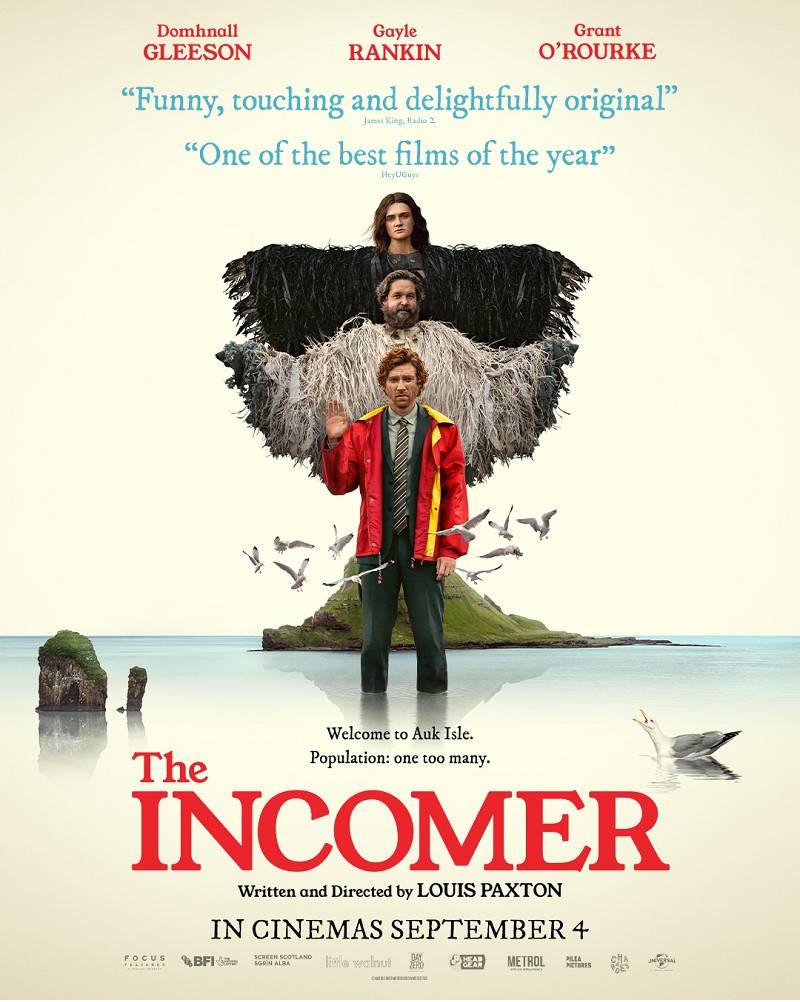 | I adored this movie. It is impossible, an absurdist fantasy, a constructed folk tale set in the modern world; and as such, it follows its own internal logic. The humor is crude, feral, and honest. The setting is bleak, unsettling, haunting, and impossibly charming. Two siblings grow up alone on a remote Scottish island after the death of their parents. For 30 years, they created the story of themselves, making sense of their situation. Without adults or other information, their worldview is naive, bizzare, paranoid, and unvarnished by the expectations from the mainland. In comes the desky local council authority to tell them that they have been evicted from the island. What unsues is a fable of what home means beyond a place, what belonging means in a world where stories are not the full truth, what happiness is in a world of fancy words and comfy chairs. It is over the top and also understated. It never skates in the middle, able to throw punches and be gentle. It is a story about learning to be gentle with the stories we tell ourselves. | |
| Spider-Man Brand New Day | 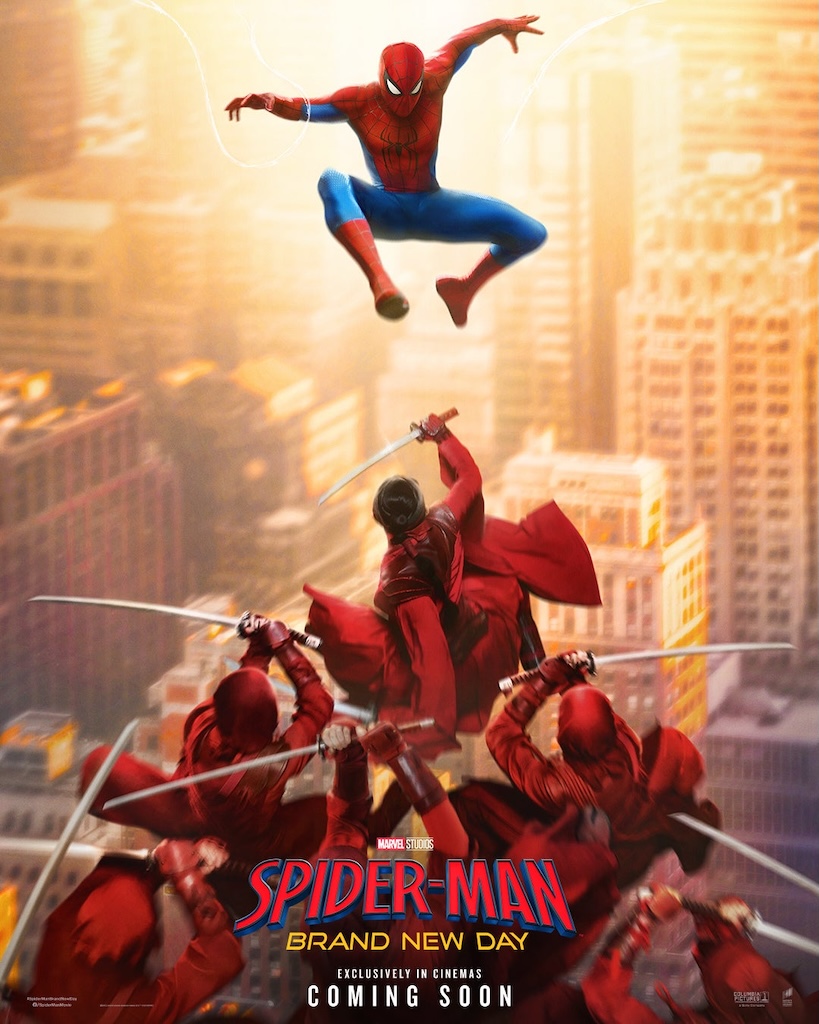 | Meh. I mean, it is a good movie – but it feels like the movie ends and another half of a movie was tacked on to the end. It felt more like it was a functional component than a story. It was bridge between one generation of the franchise and another. | |
| Feckham Hall | 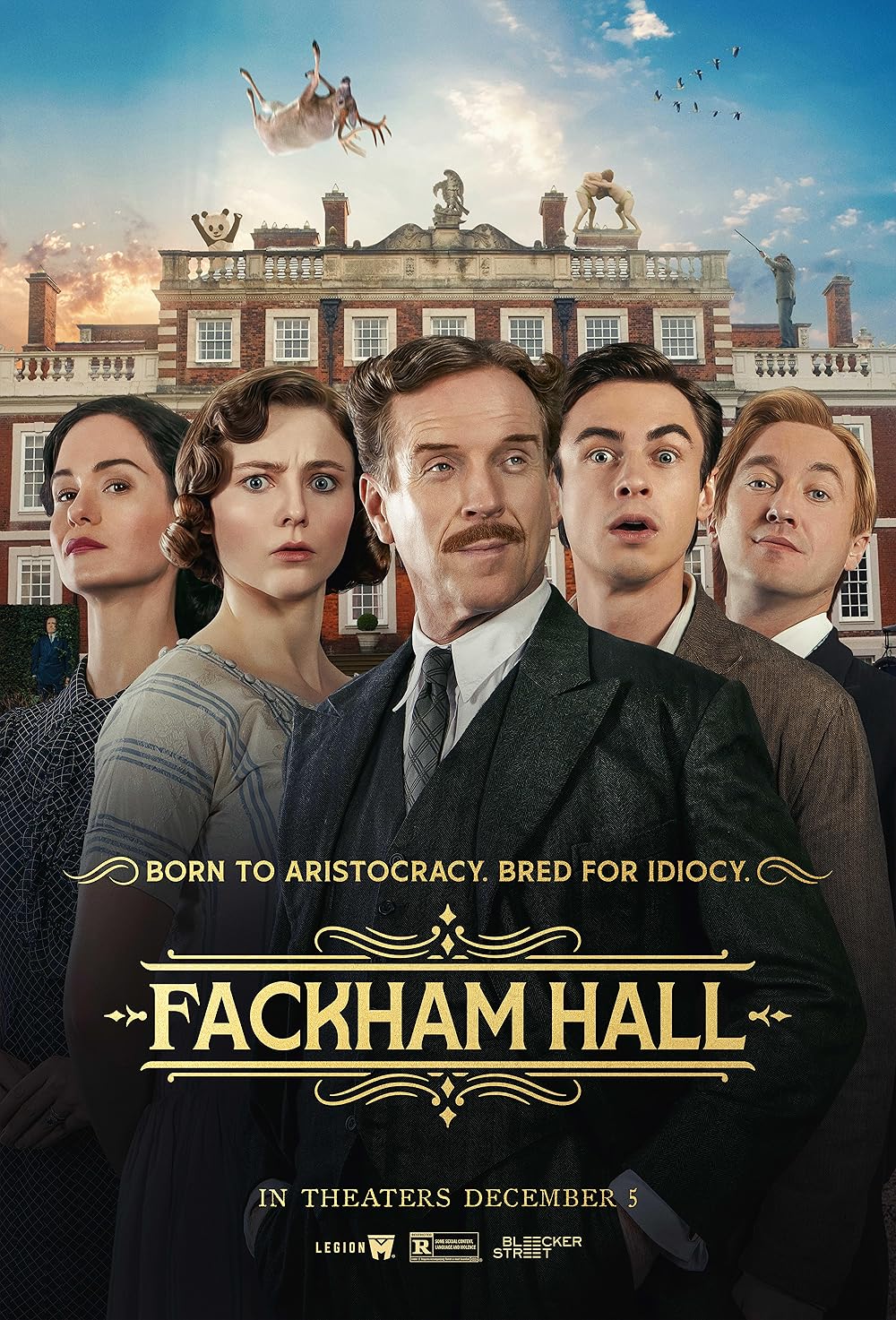 | Okay for a plane movie. It is mildly amusing. A comedy with lots of half grins, but no real laugh out loud moments. A string of ribald jokes, clever word play, and silly sight gags. It is a luke warm Austin Powers for Downtown Abbey. | |
| Toy Story 5 |  | Just see it. You know you want to! It is probably my favorite. The effects have gotten to amazing, that the word seems real while the characters maintain animated charm. I didn't think that there were any laugh out loud moments, but I remember smiling the whole time. Even the embracing and hard parts, feel gentle and kind. This movie stands on its own as a wonderful essay into what it means to be a human and a child. It is universal. It does benefit from being part of a complex world and mythos where we know the rules, the characters, and the history. But the movie tells a very different story than the previous 4, it tells us a story about ourselves. | |
| Disclosure Day | 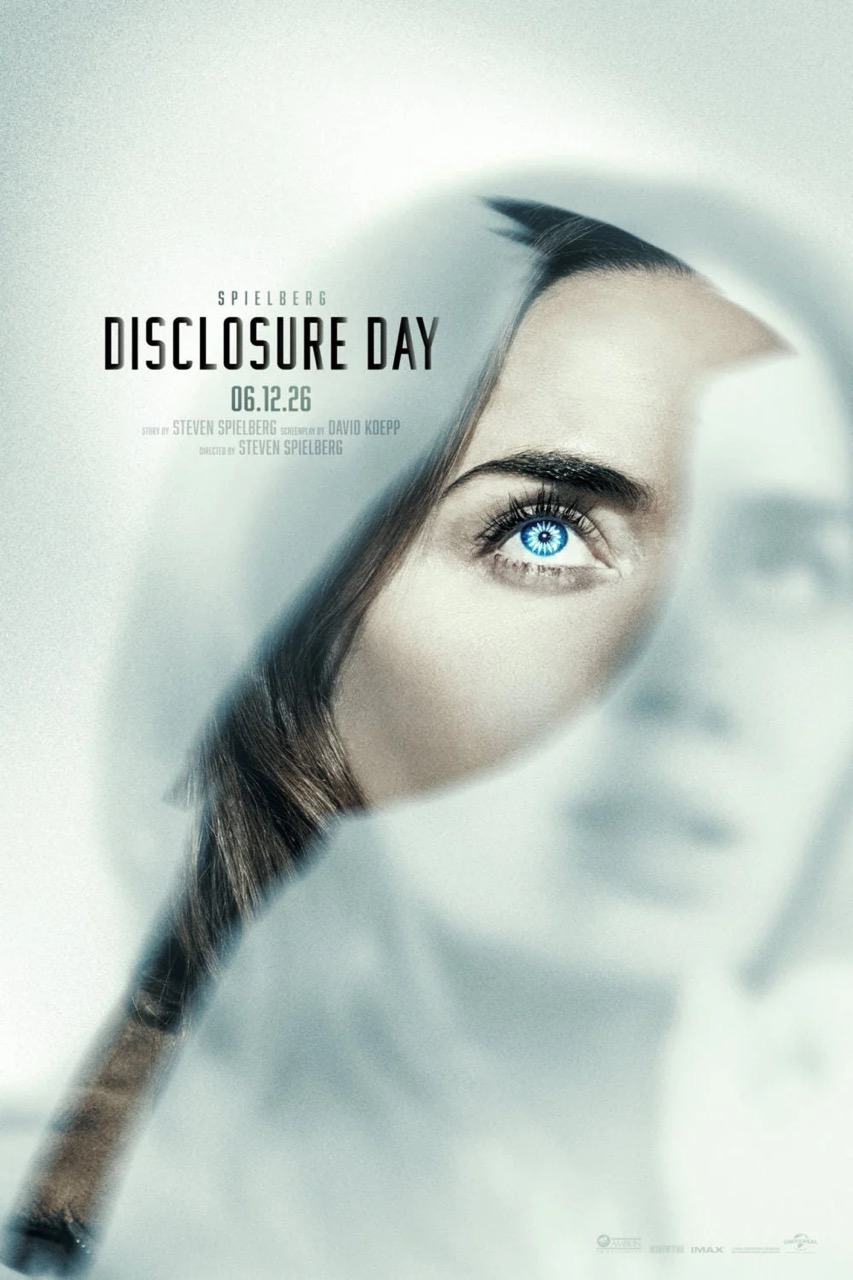 | I am enthusiastic about this movie, but you have to preface that with this is a Spielberg movie. It is fast paced adventure, so there are a lot of "just go with it" moments. It is a sugary confection that melts under the scrutiny of logic of asking how would such things happen in the real world. It is a fable and thus is carried by fable rules. Like Close Encounters, Spielberg uses aliens to bring mystery, transcendence, and awe to the very human need to connect, have a place in the universe, and to be seen and understood. Disclosure Day gives us a world about to tip over the brink into a nuclear world war three. Casually news and viewers go about their days fullfilling their mundane duties, all the while grappling with the unease of balancing life goes on with it might actually not. People raid grocery stores and still play Candy Crush. Our salvation in Spielberg's fable is empathy, not just an emotional empathy, but an ability to understand something by experiencing it. The two leads represent the perfection of rational and emotion undersanding; not warring or being balanced against each other, but being a united expression of our truest nature. Humanity will be saved by being able to understand, an empathy is just a necessary as intellect to true understanding. We are treated to car chases, slapstick cops, montages of stunned crowds "looking up;" but the most powerful part of the movie is Margaret (Emily Blunt)'s new found ability to just understand people. She speaks any language. She knows their lives. She is connected to and deeply understands everyone; and in doing do asks us to all just listen. From Indiana Jones to Disclosure Day; the theme of empathy as one of humanities highest values and most worthwhile endevors repeats across Spielberg. Indiana Jone's superpower is he understands the history and context of all the artifacts and people he meets. Margaret's superpower is she knows everyone and how it feels to be them. In Spielberg's world, the ability to put yourself in someone else's shoes, or spaceship, is the goal of the movie. The climax is not a scene of alien explosions, but a news caster giving a human reaction to seeing decades of imhumanity towards the inhuman aliens we have been on contact with. She apologizes to the viewers, and in doing to, so us as the movie audience. The point is to tell us that we should feel saddened. We should empathize with the aliens. We should see the alien as human and ourselves in them. The climax of the movie is a spectical and narration intended to invoke the audiences ability to empathize with something that was kept unknowable until that moment; thus creating a feeling of revalation and connection. He wants us to feel the connection, not just be told about it. Whether intentional or just the result of a life surrounded by jewish culture, Disclosure Day is almost kabbalistic in it's presentation. The great rabbi Maimonides describes prophecy as occurring when the Active Intellect overflows into both the rational faculty and the imaginative faculty simultaneously, neither alone is sufficient. The rational faculty (Daniel's perfect pattern-recognition of the universal language) without the imaginative/empathic faculty produces only philosophy. The imaginative faculty (Margaret's ability to feel individual lives) without the rational produces only dreams or emotion. Prophecy, true revelation, is their union. The film's climax is literally structured this way: the revelation cannot happen until the two characters are together and complete each other. The Kabbalistic resonance is also there. In the Sefirot, Chokhmah (Wisdom: the primordial flash of universal insight) and Binah (Understanding: the individualizing, processing, maternal principle) are the "father" and "mother" through which divine overflow becomes apprehensible. Daniel and Margaret are the mother and father of profecy. Neither Sefirah is superior, the tree only functions through their union. Margaret's superpower is not just empathy in a soft sense , it's the specific ability to know someone's situation before judging them, as tought in the Talmud, "do not judge your fellow until you have reached their place". Margaret embodies the precondition for correct judgment that the Talmud says we can never actually meet. The aliens have granted it to her as a kind of gift to humanity. She know the cop who pulls her owner, she understand the fear of the woman is secretly suffering from domestic violence, she know what the korean commentator is trying to explain. The climax, the newscaster apologizing, is then the moment this empathy cascades outward to the audience. We are asked to retroactively feel what we didn't know to feel: that the aliens were individuals with lives and suffering. The broadcast is a kind of collective return or repentance, made possible only because someone finally knew them. | |
| The Rose of Nevada | 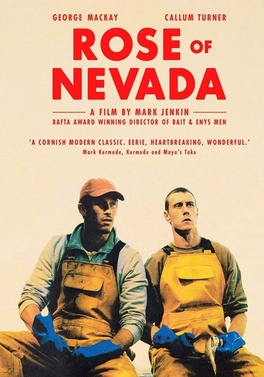 | This movie is a strange dream that follows a hazy logic, tempo, and visual language. The story follows a dream logic that makes an emotional sense, but doesn't translate to normalcy. The titular boat vanished from a Cornish fishing village 30 years ago, with its small crew all lost at sea. In modern day, the boat drifts into harbor crewless and worse for wear. The town is a dead end with an empty pub, dilapidated houses, a run-down harbor, and a small population sleepwalking through gloomy days. The boat's owner fixes it up and finds a crew of two locals to get back into business. When they return from their fishing trip, they find themselves transported back 30 years, and the village recognizes them as the original crew. Most time travel movies love to show the differences: clothing styles, slang, out-of-date tech. Rose of Nevada's present day is devoid of obvious signifiers. No iPhones, flat-screen TVs. The acid-wash dad jeans, trainers, and T-shirt look the same in 1993 as they do in 2026. Instead, we are shocked by a bustling village. The pub is full, and the people lively. Is it a movie of better times? It isn't political. But it does tell what it feels like to know that the life that was possible 30 years ago will never be in reach for them today. One of the crew jumps at the opportunity to escape the present and have a chance at better times. The other wants to return to the present and his wife and child, facing the bleak facts that the future seems to be as inescapable as the past. | |
| The Christophers | 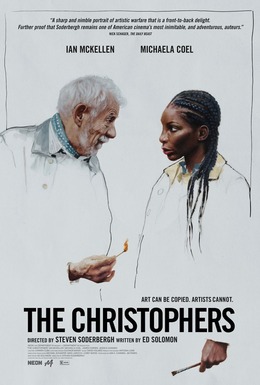 | This quiet film belies a swirl of complex emotions. Michaela is an artist turned art restorator by circumstances. Ian is a once famous artists who know is a reclusive curiosity, His children have hired Michaela to act as his assistant, with the goal of forging a long unfinished series in his attic with the hope of selling them as orignals upon his death. What unravels is the emotional connections between the characters, their motivations, art, and broken dreams. Michaela faces Mckellen with spinx like silence, giving him space to McKellen to fill with elegant rants and dramatic tantrums. Like a patient parent, she waits for him to run out of steam before engaging. They confuse, betray, and reveal. Through the unfinished art, their own unfinished lives are reflected and through that they find a common connection. The movie is a quiet yet driving story about cartharsis and coming to terms. | |
| Derriere on a G String | 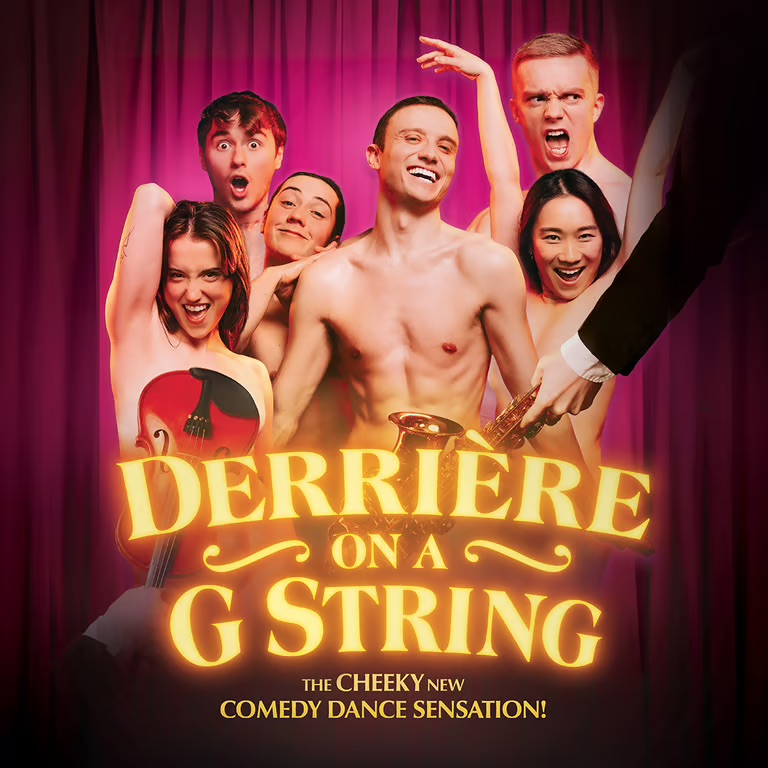 | What if I tried to get you to come see a modern dance troupe interpret daily activities of living in London through dance and mime? What if I told you they would be flesh? The cheeky tactic brought in the crowds, but the delightful and clever mix of high and lowbrow humor, amazing choreography, and immediately relatable human moments kept us all laughing and stomping at all the right times. | |
| The Running Man | 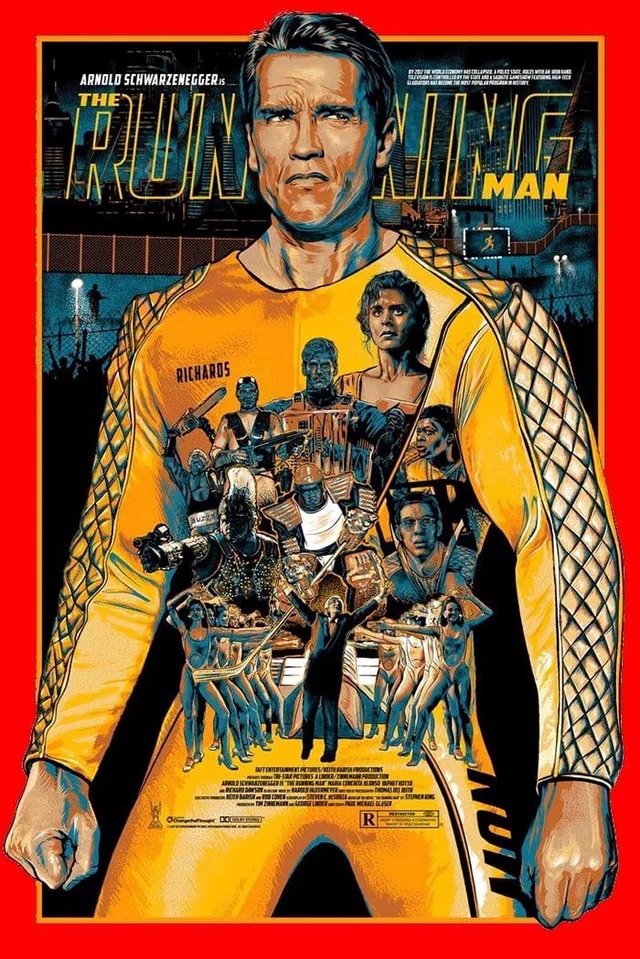 | See posters for the remake, I craved seeing the ludicrously hypervillant, over the top, cringey punned original. A world where everyone lives under an increasingly dishonest and authoritarian regime? A world where people stoppped caring about civil society and loose themselves in reality TV? A world where the public is so gulliable that they follow whatever they see on TV as news? A world where even kindly grandmother's celebrate cruelty and violance againsts people they have all accepted as less than human? Come on, it's all too far-fetched! Then throw in a cameo by Mick Fleetwod and an opera signing killer dressed as a discount Tron video game warrior, and away we go! | |
| The Devil Wears Prada 2 | 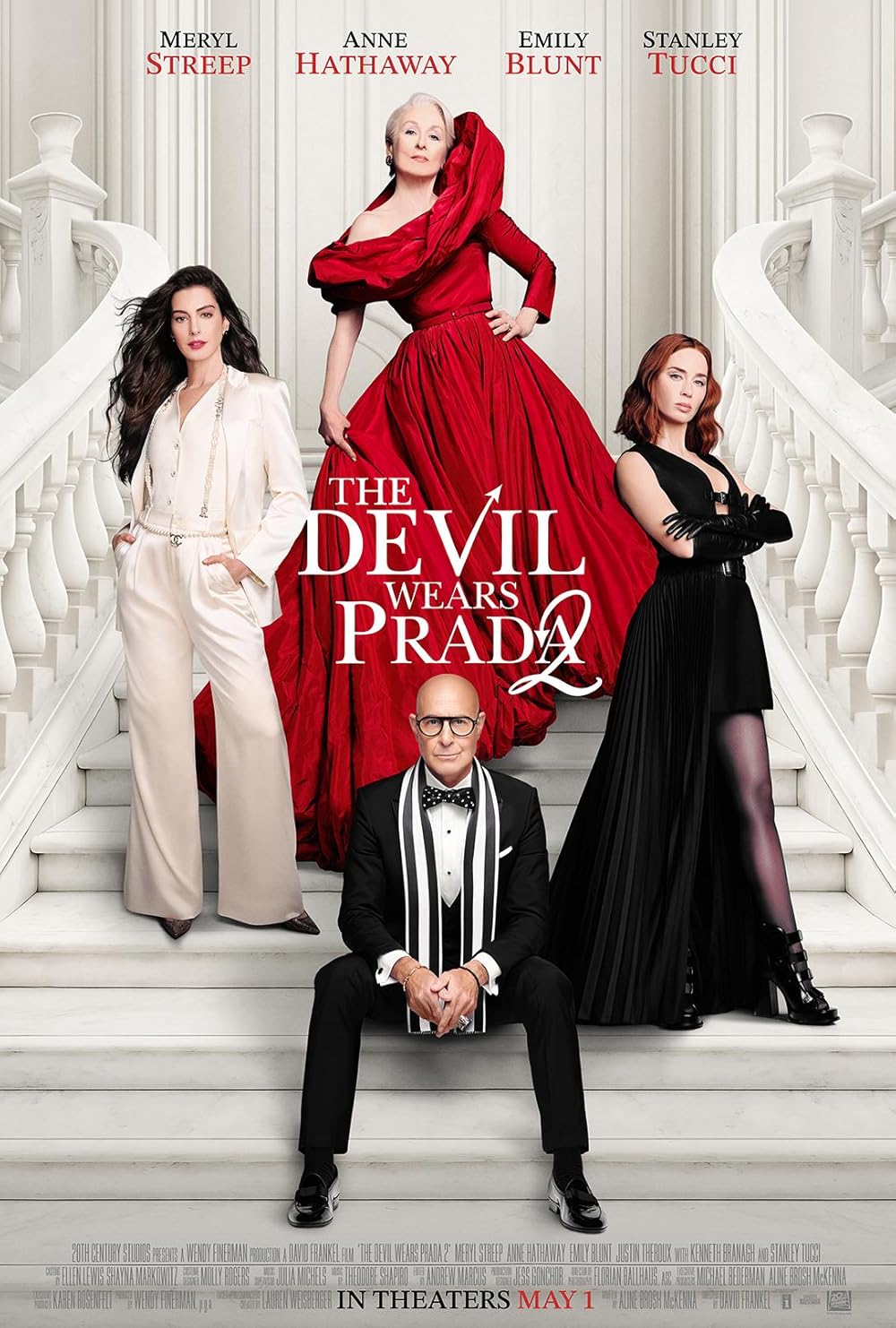 | I once heard an interesting article about how The Simpsons morphed from a voice of counter culture to part of the corporate and commercial mainstream. In a way, this did the reverse. The original movie was a high-energy youthquake of optimism and finding your place while finding your truth. We reveled in fashion montages and slick dialogue. It was the NYC of Sex in the City, but for up and comming millinials who were going to do things on their own terms. Before smart phones. Before the 2008 once in a lifetime crash. We come back 20 years later to find a more nuanced world. Everyone still looks great, but where no one in fashion would participate in the original; you couldn't count the cameo and labels who squeezed their way into this version. The movie gives us a plausible version of the main characters and their reasonings for finding themselves back together. Everyone get's a redemption. The fans get lots of service. But where the original spoke of hustle of optimism, this movie speaks to exhaustion and broken promises. Multiple times is bluntly calls out the evils of capitalism, while celebrating multi-thousand dollar handbags. It portrays tech bros and investors of somewhere between hapless to vile. They have a whole seen calling out McKinsey consultants as vultures who destroy value. The sad reality is that even fashion has lost the fantasy and the aspiration to be just another aquisition. Was it worth it is what the movie asks us? Was the hustle and optimism of 2006 misplaced? | |
| The Lost Lands | 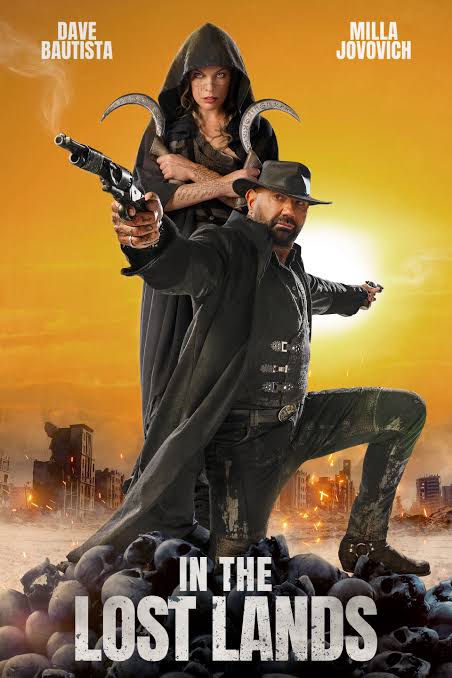 | It read as a watered down version of Mad Max: Fury Road. Aesthetically, it read as part of the post apocalyptic Mad Max world and used a lot of monochromatic and "bleach washed" film style to give a similar visual grit. The story is a fantasty story, not supriing from the author of Game of Thrones. Milla is good as always as a leading action lady. It is funny how much we think of action films as male dominated, but Milla Jovovich, Angelina Jolie, and Charlize Theron have thrown themselves into some huge action and high concept franchises. This film is in the lower middle of that group. At times, it feels budget. The plot is a very thin fairy tale without much depth and leaves the characters as archetypes. Milla does an action scene like few others can and I can imagine a few people cosplaying her role. | |
| Project Hail Mary | 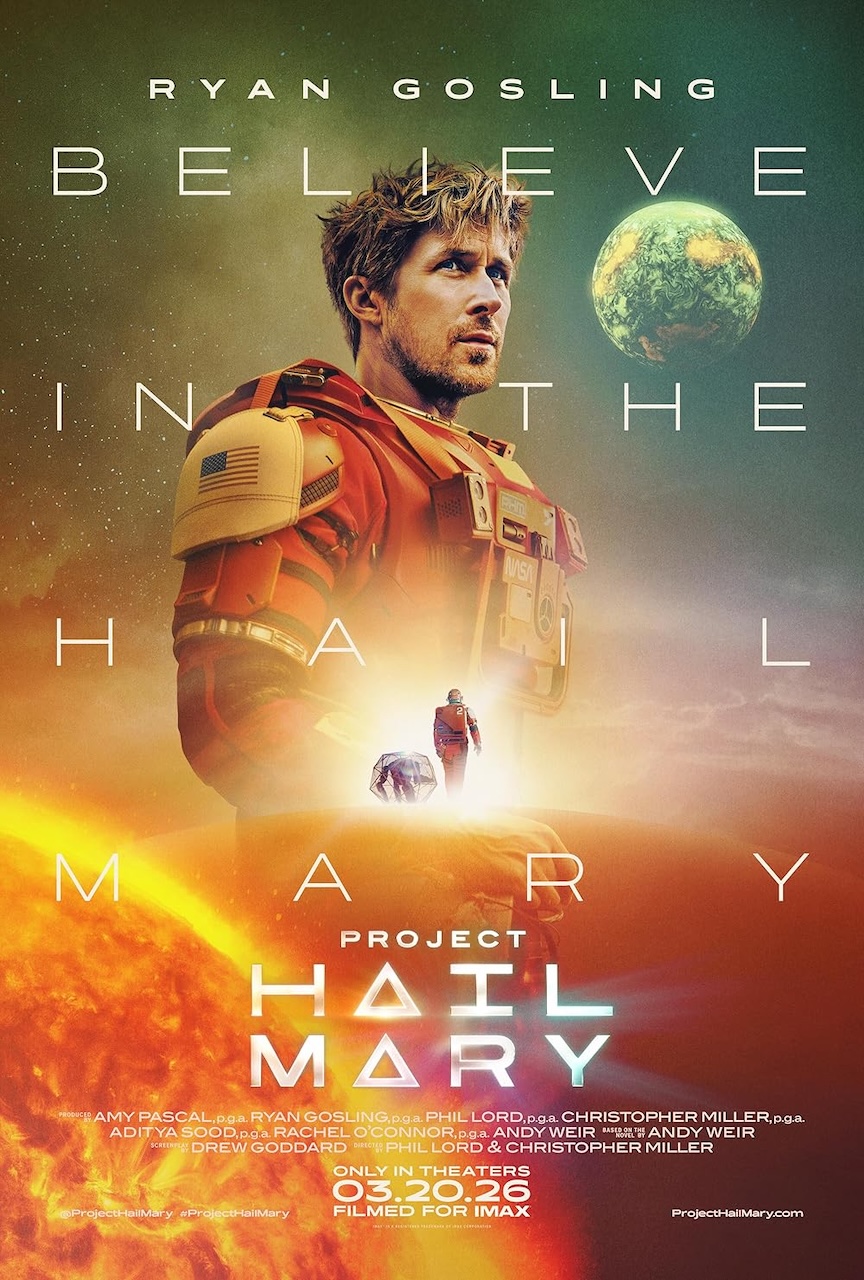 | A science fiction movie for people who are not science fiction fans. Like the Martian, Andy Wier gives us a good space-castaway drama that explores what a human does in isolation. It is compentency porn, where everyone seems to be smart and the drama is from the situation and not from interpersonal dynamics. The space part of the story almost falls flat, because we are so used to it. We all know what space ships are supposed to look like, thanks to years of high budget sci-fi; so the space wow factor doesn't hit. However, the story stays grounded with very human emotions and a fair amount of humor and pathos. It makes it a good watch, but not a challanging one. | |
| Miss Peregrine's Home for Peculiar Children | 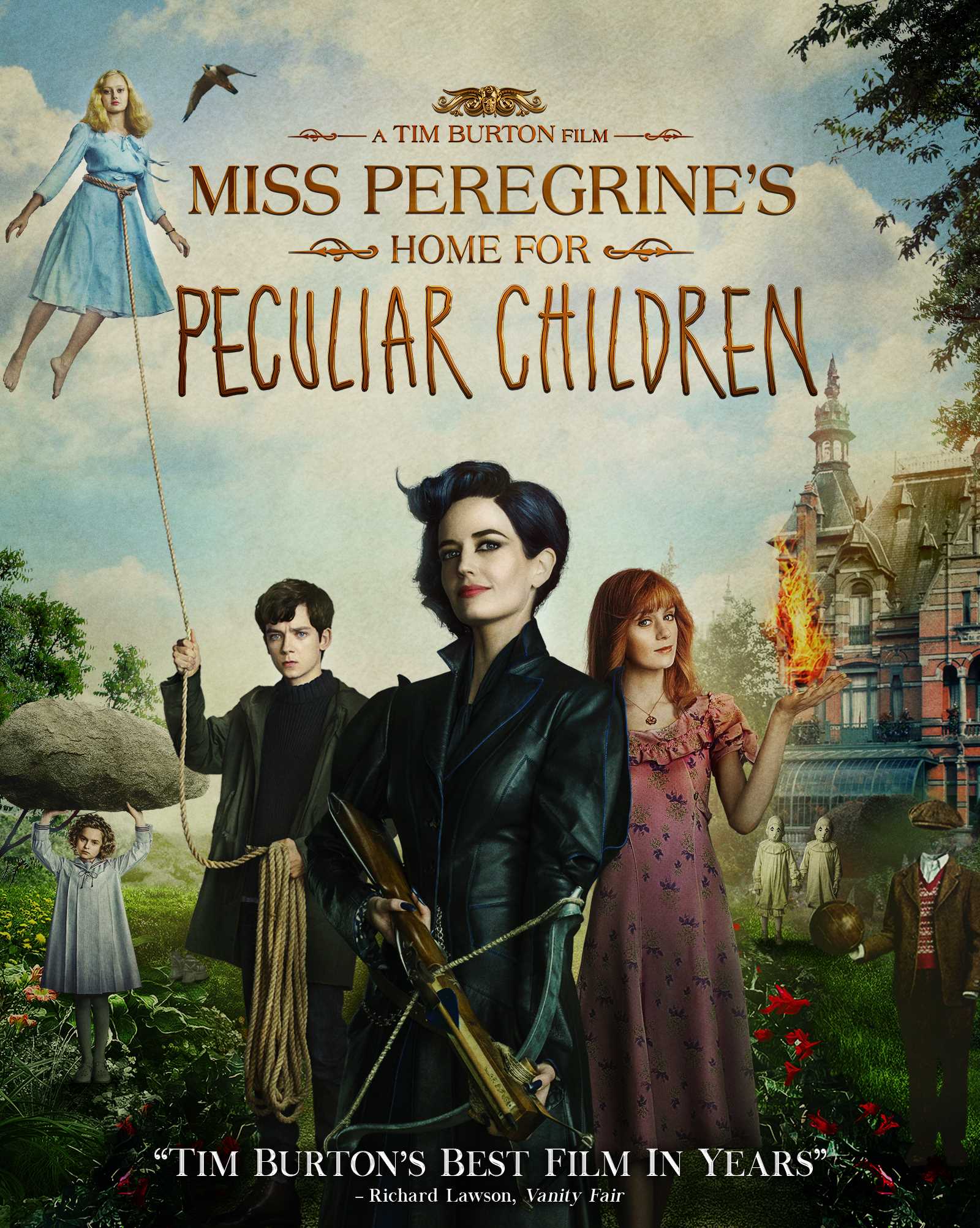 | Calling this Tim Burton's best film in years tells you how bad he must have been doing for a while. This is a tediuous discount X-Men meets Brigadoon. Unlike the X-Men, you never come to care for the wayward misfits or get any understanding of their found family. Apparently "preculiar" children are just whisked away from society to live for ever as children in time loops; seperated from anything else – and these are the good guys? Samuel Jackson does the same character from King's Men, but now with a fright wig and fake teeth. | |
| The Mask of Fu Manchu | 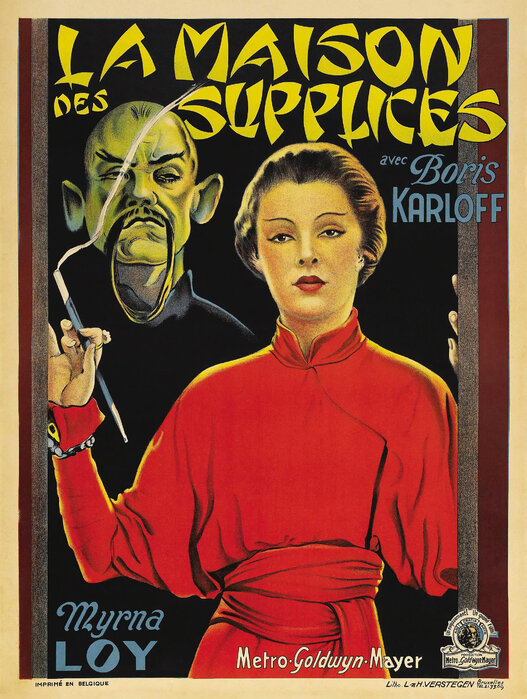 | On a Myrna Loy kick aftet The Thin Man, I was lured by the pre-code intrigue. The movie needs trigger warnings from racism to being just plan awful. It is over the top and underbaked in so many ways. It doesn't even accomplish a campy charm. It pivots being too abrupt, too slow, and too pointless. It has everything: snakes, black slaves, yellow menace, drugs, sex; just not entertainment. It is a kitchen blender movie of comic book tropes and whatever was hot on the weekly reels. The only thing of interest is you can imagine a yound Steven Spielberg watching this, and seeing the elements that would make it to his retro-heroic Star Wars and Indiana Jones. | |
| The Thin Man | 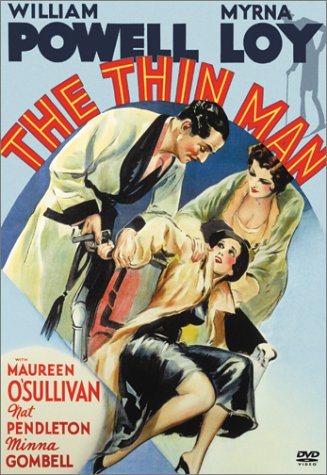 | The chemistry between William Powel and Myrna Loy is hard to deny. The plot is an overly convaluted mystery which really is just a vehical for the two leads to strut around in impossible outfits, kick back cocktails, and make for wise cracking chin music. The dated material takes a light hearted look at an alcholholic couple that seems to border on domestic abuse. It was adult fair for the time and its charm helps gloss over a lot of its sins. | |
| The Fit Prince | 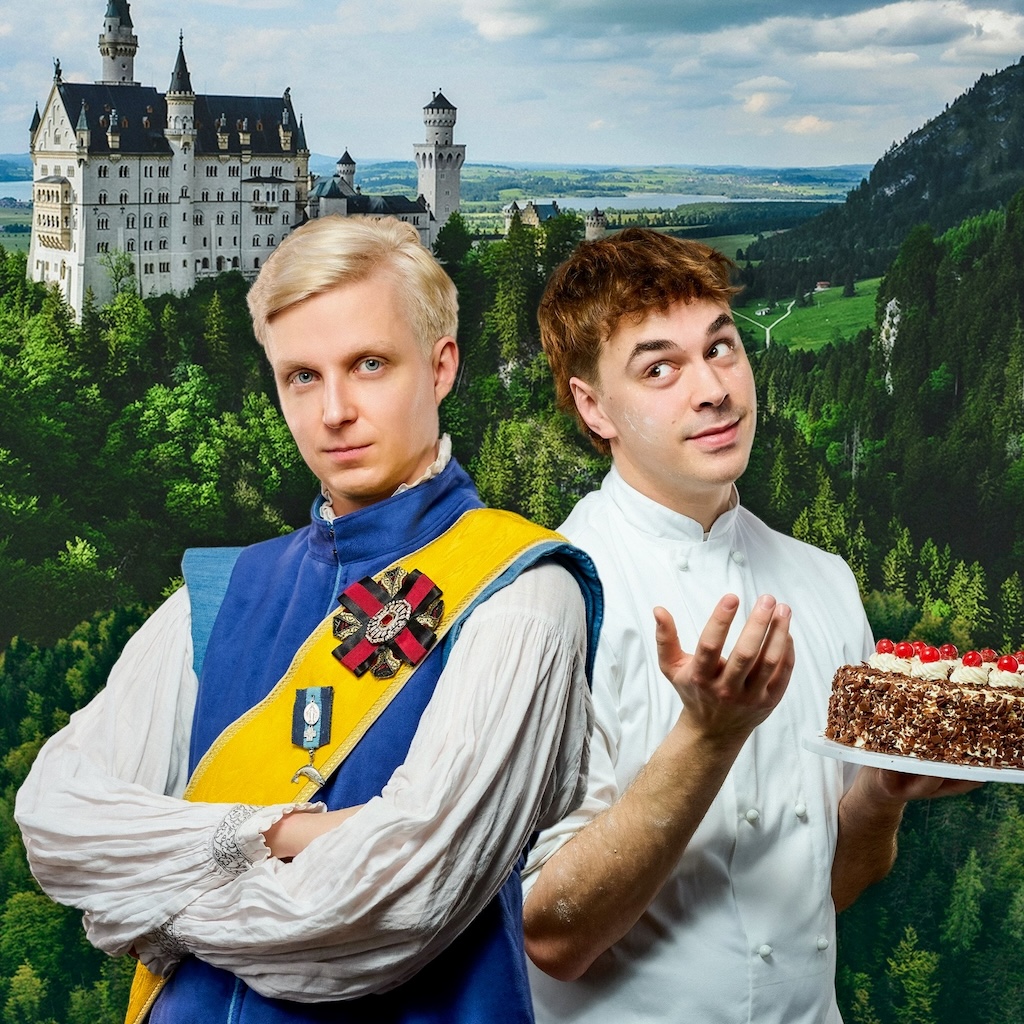 | This piece of chaos landed at the King's Head Theater. The local translation of a fringe show kept the low budget charm and insanity. With a core crew of three, a bunch of conscripts from the audience with a teleprompter, a host of pre-recorded minor celebs, and the juicious use of puppets; a cast of dozens take you on a whirlwind tour of Snowdonia, our beloved neighbor to the north. Nothing makes sense, everything is stupid, and the whole show was hysterical. | |
| Oh Mary! | 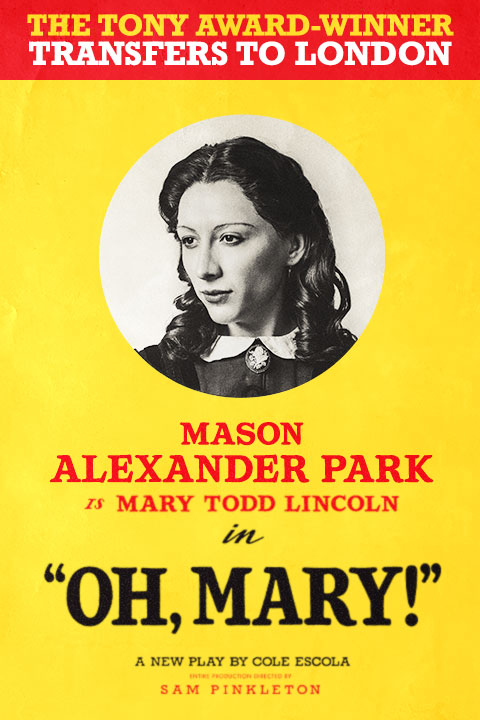 | Cole Escola's Oh, Mary tells us about a wife, trapped in a loveless marriage, deperate to get back to the one place in the world where she felted loved: cabaret! I was excited to see Masion Alexander Park after watching the Sandman, unaware of how established they are. This absurdist stupidity was the perfect vehical for their high strungantics, giving Mary Todd the brat summer she deserved. | |
| Witness for the Prosecution | 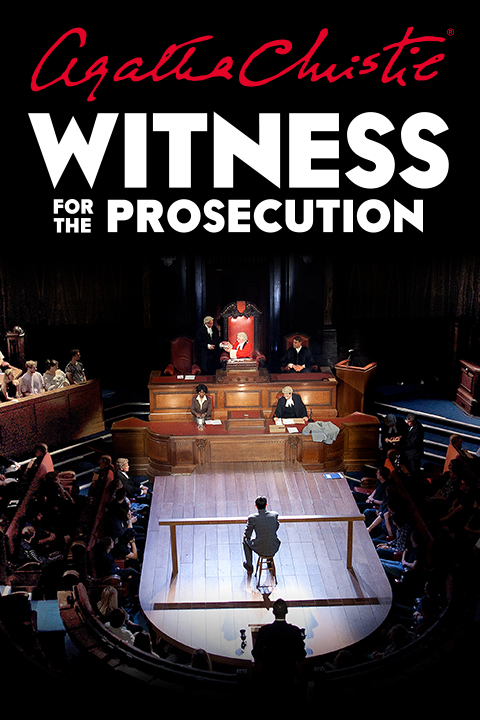 | They don't call it London's guiltiest pleasure for nothing. This is a total crowd pleaser. Notning too challanging or avant guarde for sure; but a solid Christie for Christmas thriller with twists, turns, femme fetals, misdirections, period drama, an murder! |